
Green caterpillars, often arising from the cabbage butterfly or other species, can wreak havoc in gardens and on crops. These small lepidopterans in their larval stage are known for their voracious appetite, particularly for the leaves of various vegetables and plants. In the face of this threat, the use of chemical pesticides has long been the preferred method, but the negative impact on the environment and health is driving the search for more eco-friendly alternatives. Fortunately, natural strategies are beginning to emerge, allowing for the control of these invasions while preserving biodiversity and soil quality.
Natural methods to prevent green caterpillar infestation
Prevention proves to be a decisive tactic in the natural fight against the green caterpillar. Detecting the presence of these voracious larvae as soon as they appear in the garden allows for quick action to avoid a massive infestation. Green caterpillars can damage fruit trees, ornamental plants, vegetable gardens, and flower beds, attacking leaves, roots, stems, and buds.
To counter their progression, natural solutions revolve around several axes. Black soap, an ancient remedy, serves as a gentle yet effective treatment when diluted and applied directly to the affected plants. White vinegar, although used sparingly to avoid harming the flora, also constitutes a formidable olfactory barrier against caterpillars.
Additionally, certain crops can prove particularly deterrent. Planting repellent species such as mint or marigold near the vegetable garden can create a less welcoming environment for caterpillars. Similarly, the use of nettle or wormwood manure, known for their repellent virtues, helps keep these unwanted guests at bay.
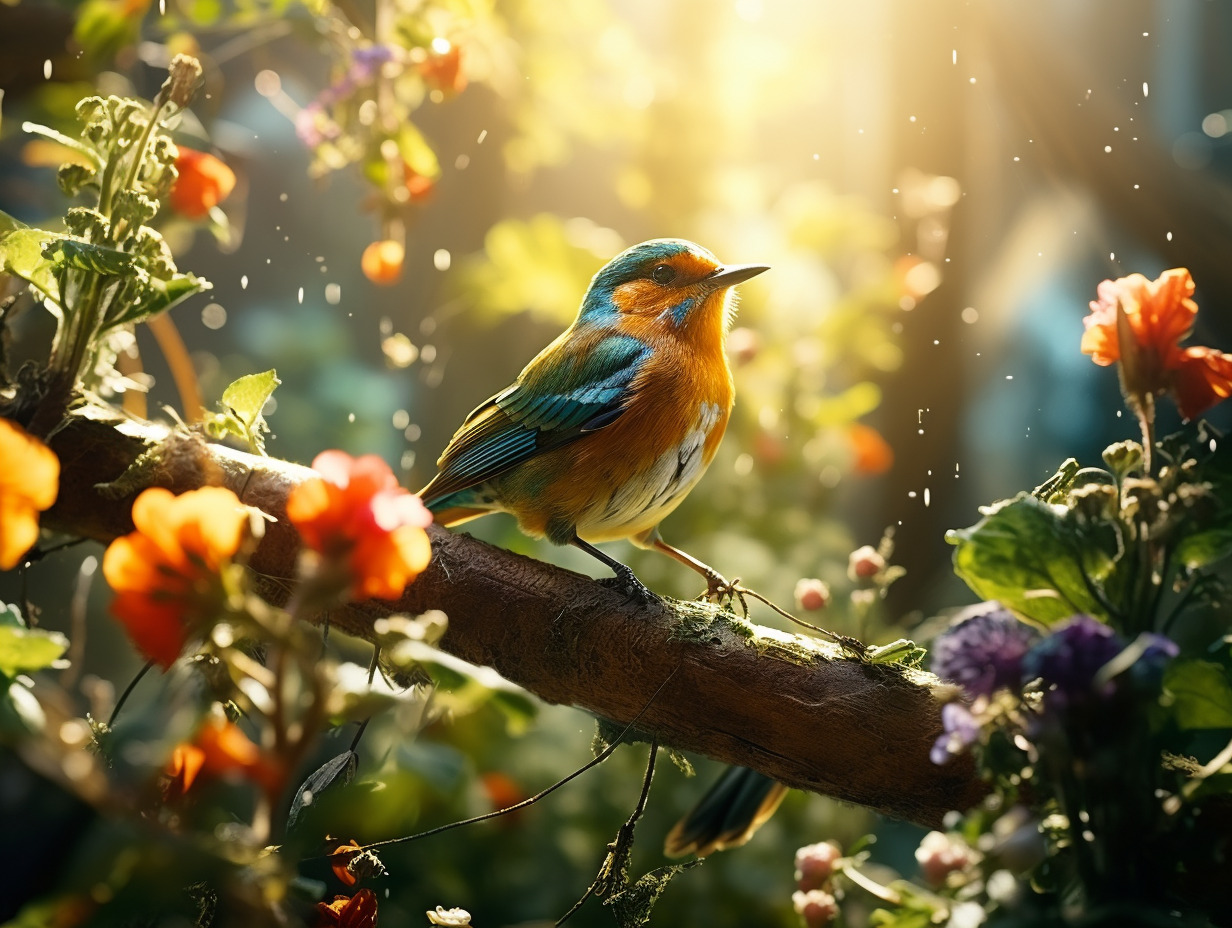
Furthermore, the introduction or preservation of natural predators in the garden ecosystem plays a key role. Birds, in particular, are valuable allies in this battle, as their diet includes caterpillars. Encouraging their presence through feeders or nesting boxes can therefore contribute to effective and environmentally friendly biological regulation.
Natural and ecological strategies to combat green caterpillars
Natural repellents, diverse and varied, constitute a first line of defense in the ecological fight against green caterpillars. Among them, Bacillus thuringiensis, a soil bacterium turned into a biological insecticide, stands out. This selective and ecosystem-friendly treatment specifically targets butterfly larvae while sparing other species. The application of beer or wormwood manure, due to their scent, keeps caterpillars away without harming soil and plant quality. As for peppermint essential oil, it acts as an effective repellent thanks to its intense fragrance.
The natural balance is also preserved by the management of predators. Birds, true sentinels of the garden, actively participate in the elimination of caterpillars. Encouraging their presence through suitable installations is a gentle method to regulate caterpillar populations. However, special attention must be paid to the conservation of beneficial butterfly species, such as the Swallowtail, which may suffer from overly radical eradication of caterpillars.
You must consider the life cycle of butterflies for a comprehensive approach. Understanding the developmental phases of caterpillars allows for the optimization of natural treatments, targeting the most vulnerable periods of their existence. The combination of these natural tactics, along with regular observation of the garden, helps maintain balance while protecting biodiversity. The fight against green caterpillars is part of a responsible and sustainable gardening approach.