Interior decoration is the art of creating harmonious and personalized environments. At the heart of this creative process, colors play a crucial role. They have the power to influence our emotions, alter our perception of space, and enhance the architecture of a room. Choosing the right color palette can transform a mundane space into a place of well-being and inspiration. Indeed, shades and their combinations define the atmosphere of an interior, whether it is to bring warmth with orange tones or freshness with soothing blues. Color thus becomes an essential component to reflect the personality and lifestyle of the occupants.
The Fundamental Principles of Color in Decoration
Color, this ally of light and accomplice of the retina, invites itself into our interiors to sketch atmospheres and sculpt emotions. When talking about ‘My Ideal Home’, you should think of color as a true backdrop, capable of transforming a space into a haven of well-being. Color psychology teaches us that each hue has the power to elicit a different reaction, whether to stimulate or to soothe. In decoration, the wise choice of colors is thus based on this subtle science to ensure harmony that resonates with the occupants.
The color wheel proves to be a valuable tool for aspiring decorators. It classifies colors and reveals their mutual relationships, facilitating the creation of harmonies or controlled contrasts. For visual coherence, shades must be chosen carefully, taking into account their intensity and brightness. A well-thought-out palette promotes balance and unity in a room, while the use of complementary or analogous hues can enhance the desired effect, whether dynamic or restful.
Color psychology and color harmony, two closely related concepts, therefore dictate trends in interior decoration. Consider the shades and their meanings to infuse the desired ambiance into every corner of the home. Red can warm a living room, white can purify a kitchen, while purple will add a touch of mystery to a bedroom. These choices are not limited to aesthetics; they influence our daily lives, modulating our perception of space and our state of mind. Color, in all its nuances, becomes the invisible architect of our interiors.
Choosing Colors by Room for Optimal Harmony
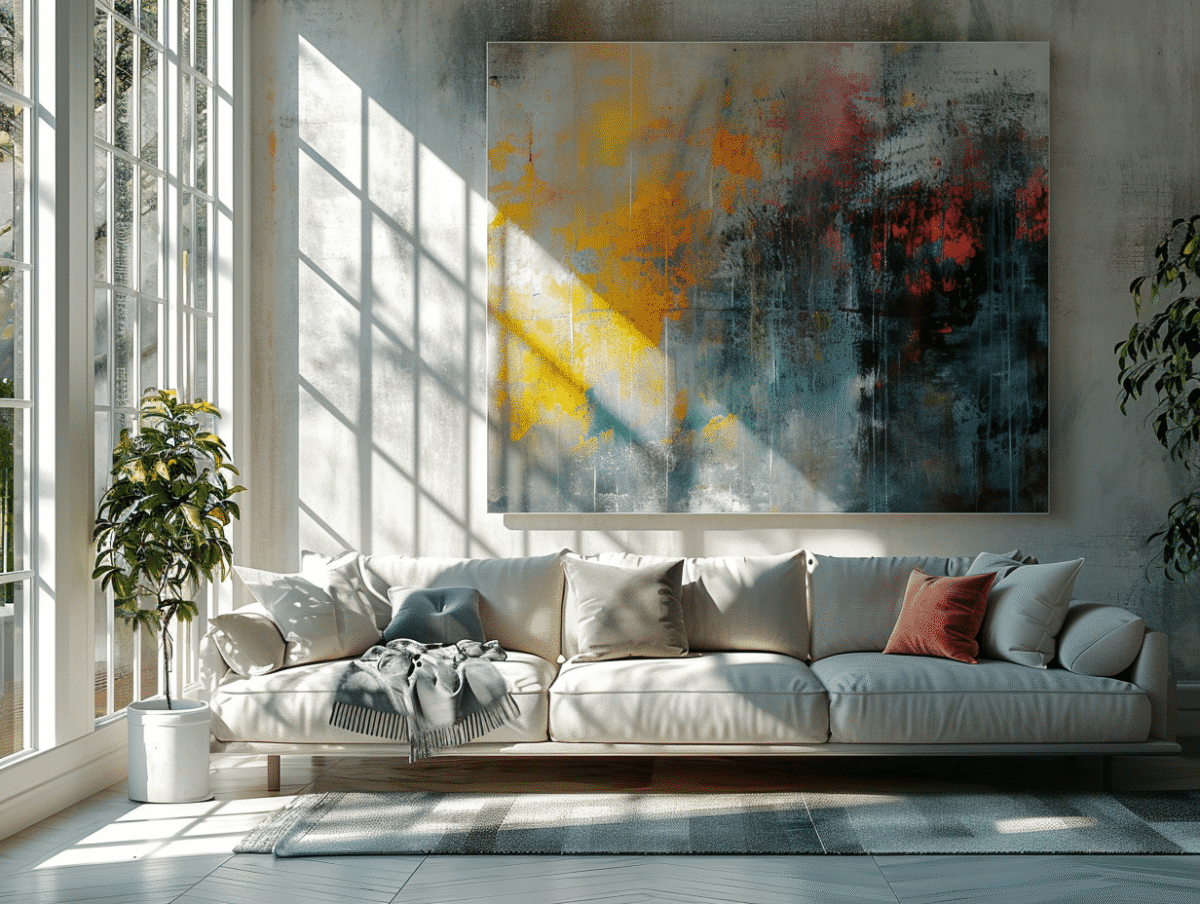
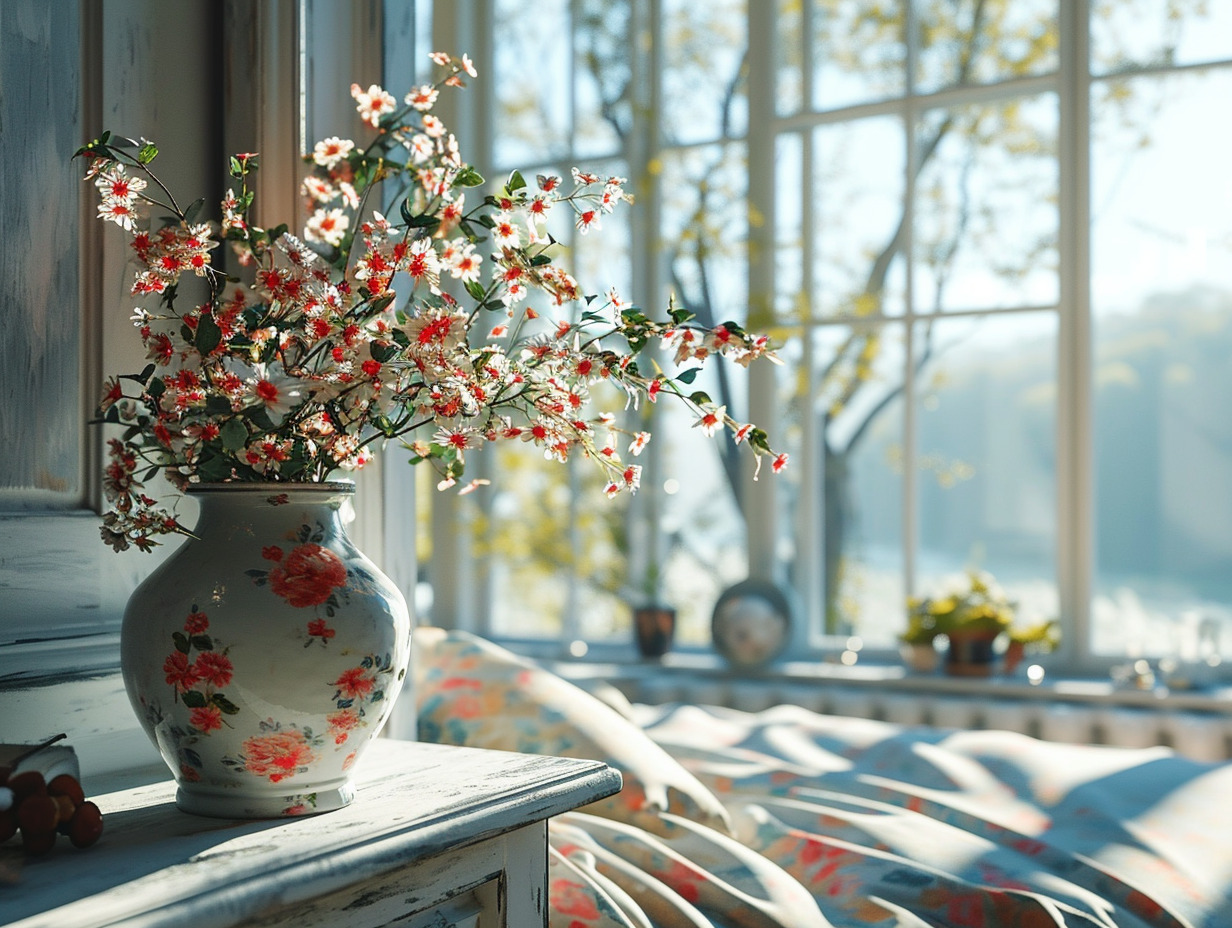
In the sanctuary of intimacy that is the home, each room demands its own chromatic identity, echoing its function and its occupants. The living room and dining room, places of life and conviviality, willingly adorn themselves with warm shades. Red can be invited sparingly to stimulate conversation, even appetite. An overdose of this color could prove overwhelming; balance is therefore essential. The kitchen, on the other hand, lends itself to the freshness of white and touches of orange, a reminder of vitality and culinary flavors.
The atmosphere of a bedroom should promote rest and serenity. Wood tones, soft and natural, combined with off-white or beige introduced into our base palettes by the author Michel Pastoureau, invite calm and relaxation. Using a tool like the ColorReader EZ allows for precise identification of these shades for a harmonious application that stays true to the initial inspiration.
The ‘Find My Decorator’ service positions itself as a guide in this quest for perfectly adjusted shades. The choice of colors in each room thus becomes less daunting, guided by the expertise of professionals. Whether for a purple creating a mysterious ambiance in the bedroom or a soothing beige in the living room, each color decision is rooted in a deep understanding of its psychological effects and its resonance with the living space.