The decade 1910-1920 is marked by an unparalleled transformation in fashion in the 20th century. In just ten years, the female silhouette shifts from a corseted line inherited from the Belle Époque to fluid and functional shapes, influenced by the combined effects of war, factory work, and a profound change in mentalities.
The corset and the natural waist: what unfolds between 1910 and 1914
Before 1914, women’s fashion is already undergoing a rapid transitional phase. This period deserves a detailed examination, as each year brings visible changes to the silhouette.
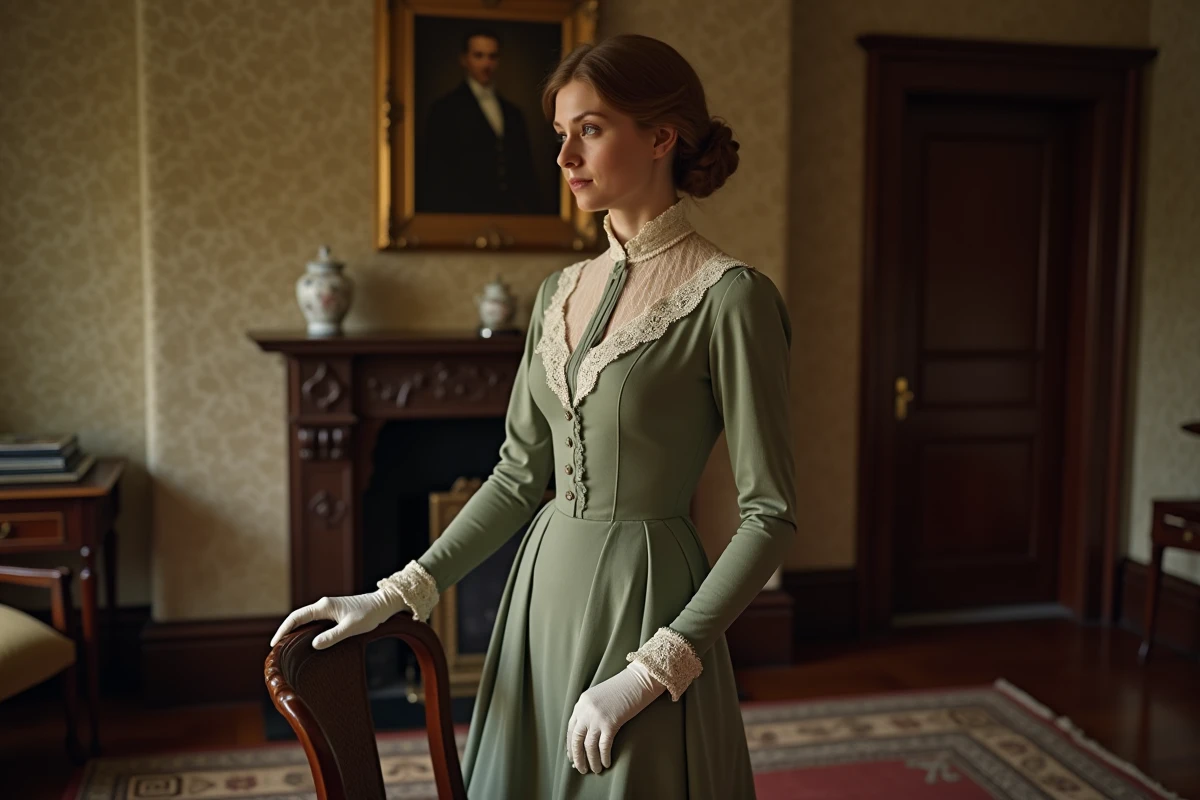
At the turn of 1910, the waist rises to its natural position after years of corsets that crushed the bust and pushed the hips back. The silhouette becomes more vertical, and the lines lengthen. Skirts begin to free the ankle, even though they remain long.
This period also sees the first challenges to the rigid corset. Designers propose softer corsets, straight cuts that follow the body rather than mold it. Understanding the fashion styles from 1910 to 1920 requires grasping this shift initiated before the world conflict.
World War I and the break in women’s clothing
The textile industry is mobilized for the war effort starting in 1914. Fine fabrics, complex embroideries, and ornaments become rare or inaccessible for most women in France.
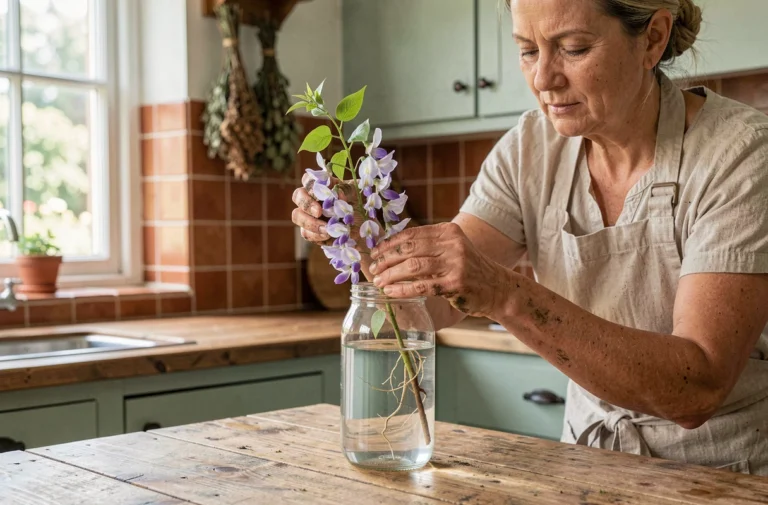
The direct consequence affects everyday wardrobes. Women replacing men in factories, transport, or fields adopt practical clothing: skirts shortened below the calf, work pants in some workshops, fitted jackets in cotton or durable canvas.
- Heavy fabrics and layers of petticoats disappear in favor of lighter, easier-to-maintain materials.
- The rigid corset declines sharply, replaced by bras or soft belts that allow for free movement.
- Hats simplify: fewer feathers and elaborate structures, more compact shapes suited for work.
The war accelerates in four years an evolution that would have taken a generation in a peaceful context. Fashion does not “reappear” in 1920: it transforms continuously during the conflict, under the pressure of material constraints.
Men’s suit and military uniform: a cross-influence
The men’s suit evolves little in the first half of the century, according to historical syntheses. However, the war introduces elements that infuse civilian fashion after 1918.
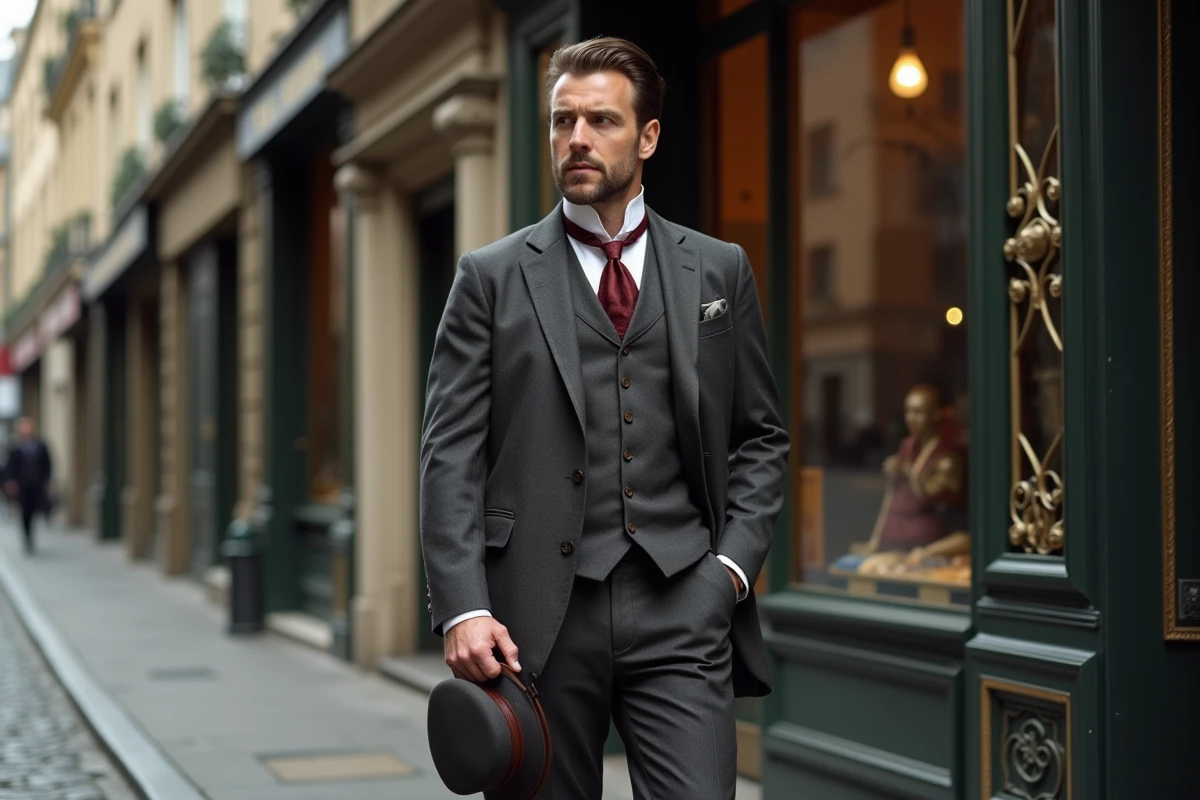
The waistcoat and structured jacket remain the norm for men in the city. High collars gradually decline. The three-piece suit simplifies: less embroidery, straighter cuts, more subdued colors.
The military uniform popularizes robust materials and functional cuts. The trench coat, designed for officers in the trenches, transitions into civilian wardrobes after the armistice. Straight-pleated trousers gradually replace the looser styles inherited from the 19th century.
Women’s fashion at the end of the 1910s: the beginnings of the garçonne
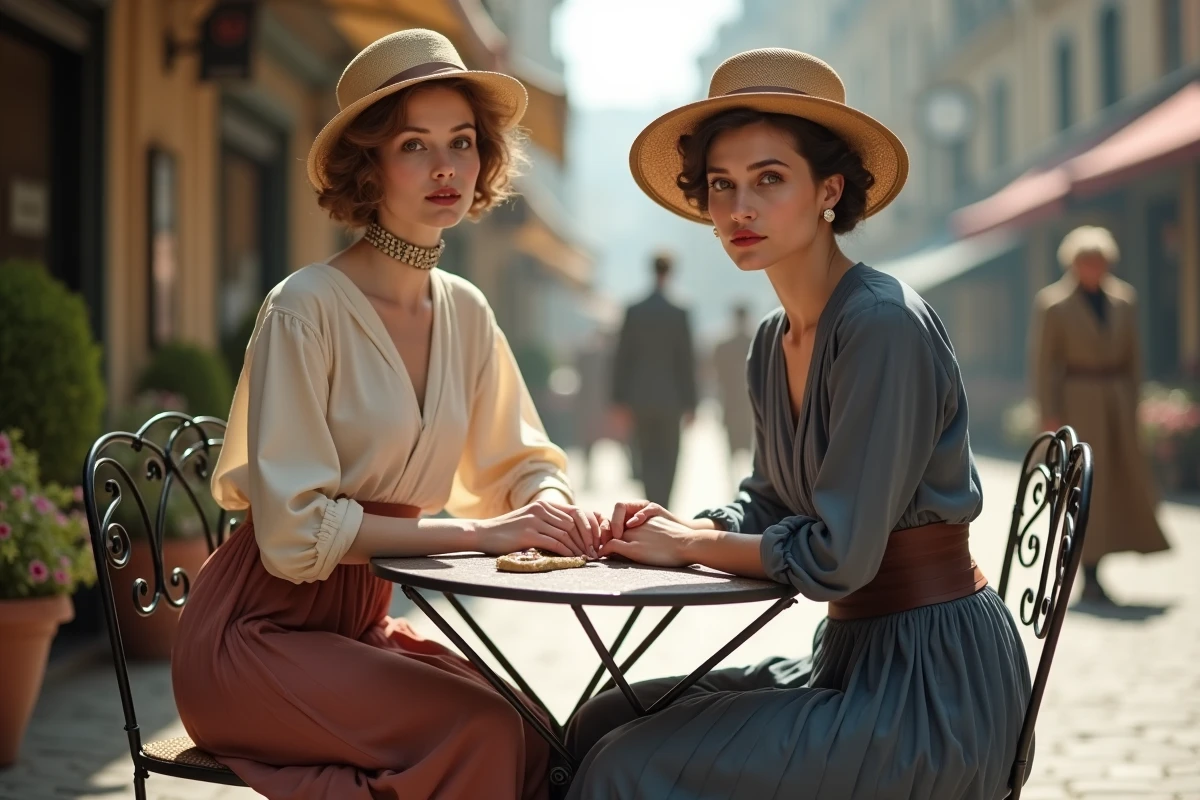
By around 1918-1920, the female silhouette has already shifted. The waist drops towards the hips, the bust diminishes, and the straight line dominates. It is not yet the short fringed dress of the Roaring Twenties, but the foundations are laid.
Short hair appears before the garçonne style of the 1920s. Some women adopt practical cuts during the war, out of necessity in workshops or hospitals. Hairstyling follows the same movement as clothing: simplification, functionality, rejection of superfluous ornaments.
Evening dresses retain the pre-war codes a bit longer, featuring satin, pearls, and more elaborate cuts. In contrast, daywear approaches the suit: straight skirt, short jacket, few accessories. The women’s suit becomes the central piece of the urban wardrobe.
Fabric, photography, and archives: the limits of what we know
Accurately reconstructing the everyday wardrobe of this decade poses challenges. The garments preserved in museums are almost exclusively haute couture pieces or ceremonial outfits. The fashion worn by workers, peasants, or employees remains poorly documented.
Period photographs are the most reliable source for observing actual outfits. However, they present a bias: studio portraits show “Sunday” clothes, not work attire. The boundary between Parisian trends and provincial dressing practices remains blurred in the preserved sources.
Textile archives from the 1910s are rare, as natural fibers (cotton, wool, linen) have not survived well over time. Reconstructions often rely on sewing patterns published in women’s magazines, which reflect an ideal rather than a widespread practice.
The decade 1910-1920 remains a documentary gap between the abundantly photographed Belle Époque and the 1920s, which benefit from the rise of illustrated press and cinema. This shadowy area partly explains why so many timelines skim over it in a few lines, even though it constitutes the pivot of modern fashion.