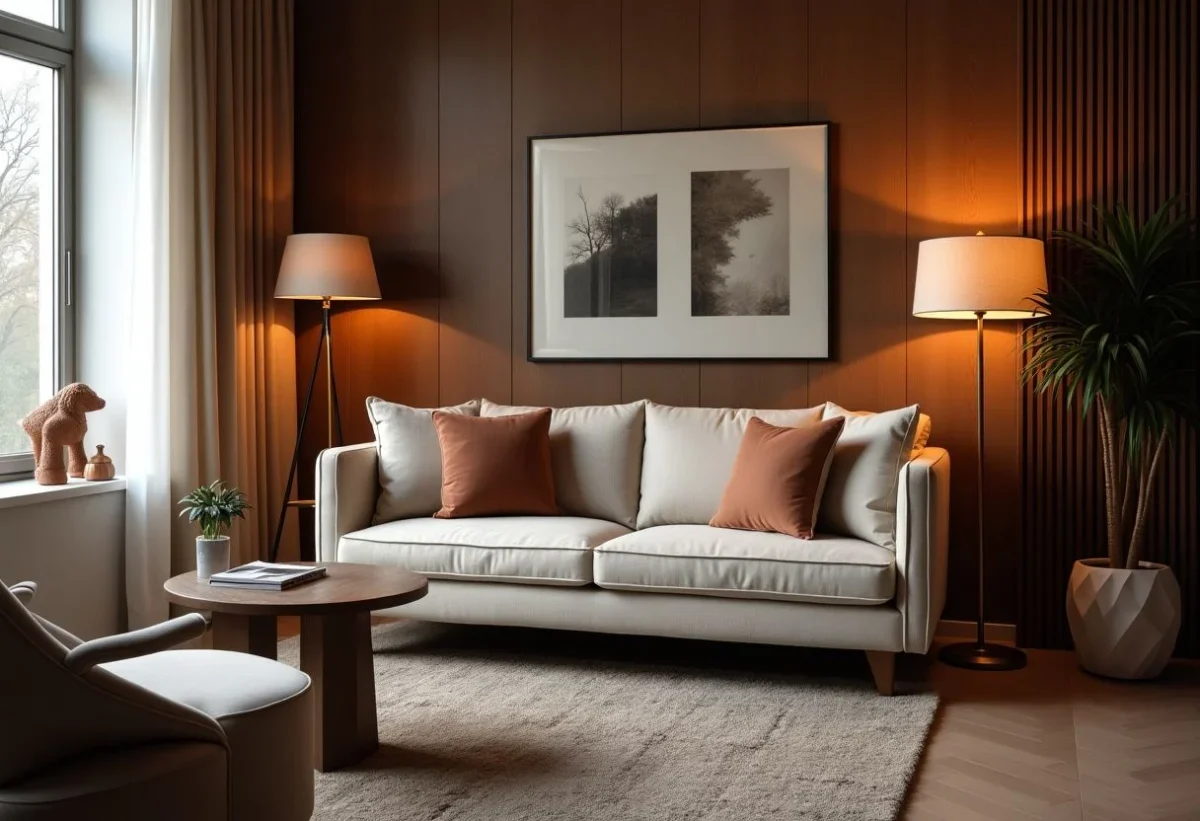
Craftsman of comfort and pillar of the aesthetics of our living rooms, the sofa proves to be much more than just a piece of furniture. Its role transcends mere seating; it becomes a symbol of the evolution of our lifestyle, our tastes, and our perpetual quest for relaxation and conviviality. From its humble origins to its central place in our modern homes, the sofa tells a story. A story of innovation, design, culture, and craftsmanship. Each shape, each material, each color is a testament to our time and our humanity.
The origins of the sofa: a return to the roots
Long before becoming the central element of our modern living rooms, the sofa had a simpler, almost rudimentary function. Its origins date back to Antiquity, when people used cushioned benches to sit together. At that time, the sofa was not yet the elegant and sophisticated piece we know today.
- Antiquity: The origin of these seats goes back to ancient Egypt, where pharaohs rested on cushioned wooden structures covered with fabrics.
- Middle Ages: Rudimentary benches evolved into more comfortable seats, often adorned with precious textiles.
- Renaissance: This period saw the emergence of more sophisticated sofas, with particular attention to artistic details and comfort.
These transformations over the centuries show how the sofa has become an essential piece of furniture, evolving with the needs and desires of different eras.
The different types of sofas: a style for every interior
Choosing a sofa today is not just a matter of comfort. It is also about making a style statement. Each type of sofa has its own characteristics and integrates differently into a modern interior.
Here are some styles that illustrate this diversity:
- The Chesterfield sofa, with its emblematic tufting, embodies timeless elegance and understated luxury.
- The modular sofa, a symbol of versatility, allows for reconfiguring the space according to current needs.
- The Scandinavian sofa, with its clean lines and functional design, adds a touch of softness and simplicity.
Each of these sofas brings a unique atmosphere, transforming a living space into a personalized reflection of those who inhabit it.
Materials and fabrics: between durability and aesthetics
The material of a sofa determines not only its appearance but also its durability and comfort. Choosing the right fabric or material is therefore an essential decision for any homeowner.
The options are numerous, including:
Authentic and robust leathers, often associated with luxury, confer timeless sophistication. Synthetic fabrics, on the other hand, offer increased resistance to stains and daily wear, while velvet, with its rich and sensual texture, adds a touch of glamour to any living room.
Finally, natural materials such as linen or cotton are prized for their relaxed appearance and softness to the touch.
Each material has its advantages and disadvantages, influencing not only aesthetics but also the daily functionality of the sofa.
The sofa in popular culture: a symbol of social life
Beyond its utility in our homes, the sofa has become an emblematic element of popular culture. It represents conviviality and relaxation, often found at the center of cinematic and television narratives.
Some notable examples include:
- The sofa from Central Perk in the series Friends, a true character in its own right, witness to discussions and unforgettable moments.
- The legendary yellow sofa from The Simpsons, a symbol of a united family despite differences.
- The numerous sofas in talk shows, where celebrities and hosts share anecdotes and laughter.