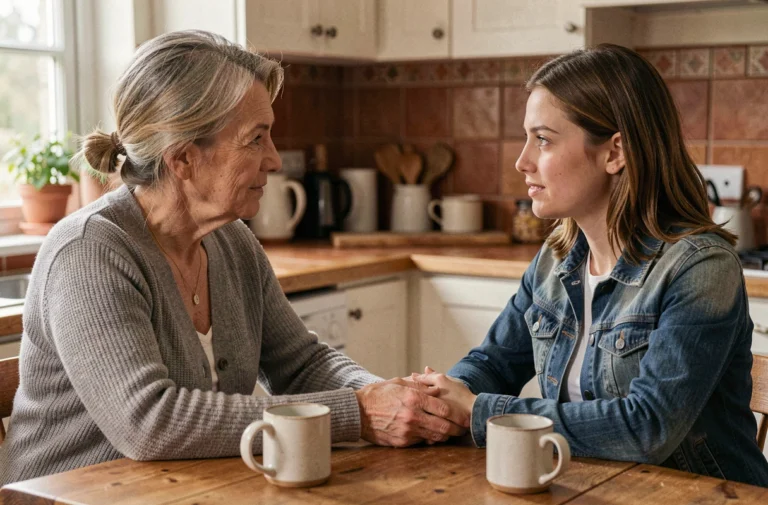
In France, 90% of people over 75 express the desire to stay in their homes for as long as possible. However, the systems designed to support this choice remain underutilized or poorly known, despite their increasing deployment.
Solutions once reserved for specialized facilities are now crossing the threshold of homes. This shift redistributes the cards: it transforms the way we think about autonomy, safety, and support. The benchmarks are shifting, and so are the priorities.
Aging at home: why staying at home improves the well-being of seniors
The attachment to home, that thread stretched between memories and daily life, weighs heavily in the balance of well-being. Staying at home means keeping one’s landmarks, belongings, and traces of one’s own history—a precious anchor when everything else is changing. In France, remaining within one’s walls corresponds to a strong expectation, driven by increased life expectancy and the desire to postpone dependence.
This choice goes far beyond mere material comfort. It impacts morale, self-perception, and relationships with others. Less anxiety, more stability, a preserved identity. The connections woven with family, neighbors, and the street below are solid barriers against isolation, that discreet but formidable trap. Studies show that living in a familiar environment slows the loss of autonomy and limits health deterioration.
Ma Santé 360’s senior services align with this logic by offering support tailored to each profile. Whether it’s to facilitate daily tasks, coordinate care, or simply provide appropriate assistance, these personalized solutions offer the possibility to enhance quality of life. Staying at home thus becomes a collective project, where the senior retains control over their choices.
Here’s what this lifestyle allows:
- Enhanced autonomy through housing adaptations and personalized support
- Maintained social life through regular follow-ups and targeted actions to prevent loneliness
- Consolidated psychological well-being by valuing each person’s experiences and memories
What services and innovations facilitate daily autonomy?
Every day, home autonomy is built from a combination of concrete solutions designed to meet individual realities. Caring for seniors means considering every detail: moving around, eating, maintaining hygiene, and preserving social connections. Home services avoid a one-size-fits-all approach. They adapt, listen, and reinvent themselves according to needs.
Concrete solutions for daily life
To illustrate this diversity, several services provide precise answers:
- Personalized meal preparation combines food safety and pleasure while combating often discreet malnutrition.
- Home cleaning ensures a clean environment, limits the risk of falls, and contributes to a sense of well-being.
- Home nursing care (SSIAD) and support from caregivers ensure serious medical care while respecting everyone’s dignity.
The silver economy is advancing rapidly: home automation, connected alert devices, next-generation walkers, and wheelchairs designed for comfort. These innovations are not meant to dehumanize but rather to restore control, provide reassurance, and enhance independence.
The routine of an elderly person is not a series of mechanical gestures. Autonomy services weave a relationship of trust, adjust their presence, and coordinate trained professionals who respect each individual’s journey. Home care then becomes a strength to slow dependence and preserve quality of life.
Support, assistance, and concrete solutions for supporting relatives and caregivers
When loss of autonomy sets in, families must juggle fatigue, worry, and sometimes the feeling of being alone in facing the challenge. Family caregivers are on the front lines, often at the expense of their own balance. However, resources exist to lighten this burden and enable seniors to continue living at home under good conditions.
A range of tailored support
Several systems can support relatives on a daily basis:
- Respite solutions provide real breaks for caregivers, through temporary accommodation or home relief, allowing time to breathe and regain perspective.
- Financial aids like APA, calculated according to the degree of dependence and family composition, contribute to organizing home care.
- Administrative support, often overlooked, simplifies procedures and makes existing offers more accessible.
Coordination among professionals, home care services, and families makes all the difference. Adapting interventions, listening, training caregivers, adjusting schedules, and recognizing the role of the caregiver: this is what allows for more humane care, respectful of the pace and real needs.
In France, demographic aging intensifies expectations around home care. Responses take multiple forms: psychological support, advice, equipment, alert systems, and prevention measures. Each initiative, each gesture, enriches this network where help is no longer a solitary duty but a true collective choice, that of a society that refuses to leave its elders by the wayside.